We’ve had a year full of growth and reached a milestone of 60+ team members; let’s take a moment to digest what that means for people operations. Hiring staff in 19+ countries is no easy task, but we are up for it, and I can honestly say it is the main reason why our culture is so great. That might sound biased coming from Crossref’s first Head of Human Resources, but hear me out.
You can now register rich metadata for a variety of record types in Metadata Manager using simple, guided workflows. The tool is used by many in our community to register grant and journal article records, and it has now been expanded to support books and chapters, reports, dissertations, and post-publication updates for journal content.
Metadata Manager makes it easier to capture identifiers for contributors and their affiliations, funding information, references, and more. Thanks to automated reference matching by Crossref, this offers greater visibility for the works, while the affiliations and funding information can serve as important trust signals for the community.
This year’s edition of the FORCE11 conference was hosted in June by Singapore Management University. Its title, “To Go Far, Go Together: Advancing Scholarly Communication Across Boundaries and Disruptions” truly resonates with Crossref’s truths; it takes a village! Crossref only works as long as the scholarly research community wants to work together globally, across all disciplines, for integrity and openness of the scientific record. The conversations were influenced by a genuinely diverse mix of librarians, researchers, open infrastructures, and service providers, and that mix shaped almost every interaction we had at the conference.
We have some rather unusual news to share: Crossref fees are going down again. At its meeting in Paris earlier this month, the Crossref Board approved two further recommendations from the Resourcing Crossref for Future Sustainability (RCFS) project: effective 1st January 2027, we will reduce the majority of Content Registration fees for all 25,000 members, and remove fees for back-year records altogether.
Content Registration fees haven’t increased in around 20 years, and this is the first significant change to them in that time—downwards. Since these fees account for the largest share of Crossref’s revenue (around 60%), and since every member registers DOI records, these changes reach further than anything we’ve announced under the RCFS project so far.
In 2022, we flagged up some changes to Similarity Check, which were taking place in v2 of Turnitin’s iThenticate tool used by members participating in the service. We noted that further enhancements were planned, and want to highlight some changes that are coming very soon. These changes will affect functionality that is used by account administrators, and doesn’t affect the Similarity Reports themselves.
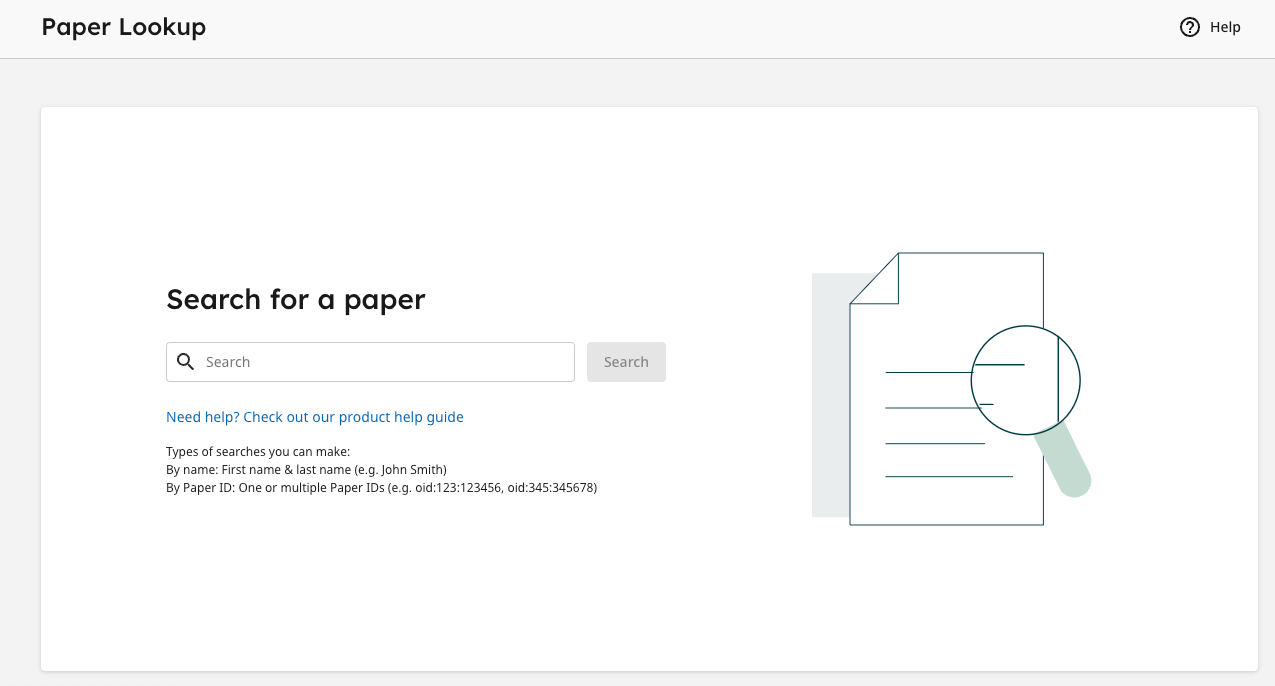
From Wednesday 3 May 2023, administrators of iThenticate v2 accounts will notice some changes to the interface and improvements to the Users, Groups, Integrations, Statistics and Paper Lookup sections.
Logging in
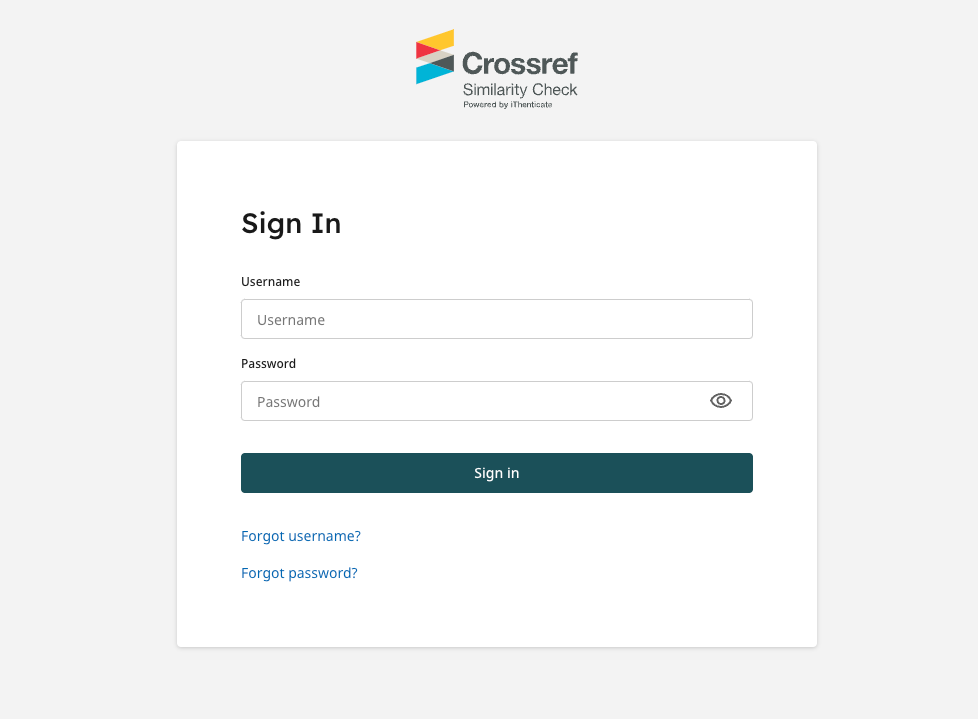
iThenticate v2 account administrators and browser users will see a new login page when logging in to iThenticate v2:
A refreshed interface
Once logged in to iThenticate v2, account administrators will see an updated design, with improved notifications to let them know whether a task/action has been successfully completed or not.
Users
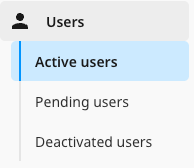
There will be improvements to the user management system for account administrators, including a much clearer navigation menu for managing active, pending and deactivated users.
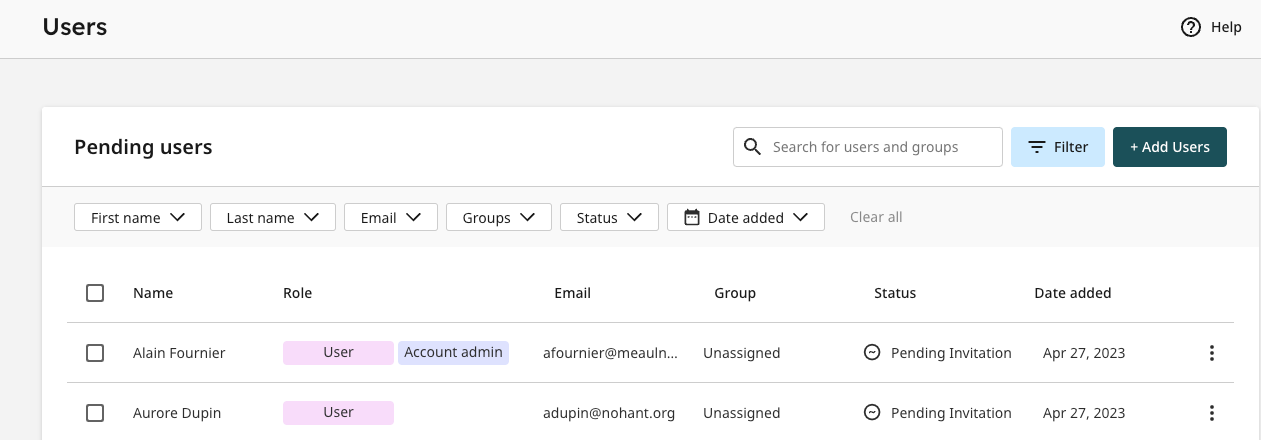
There will also be a filtering option on the Users page to search for active, pending and deactivated users by first name, last name, email address, group and date added. In addition coloured labels will be introduced to easily identify the level of access (or ‘Role’) for each user.
An improved bulk user import process will be available, with clearer guidance on any issues that may arise during the upload. This new development will also include new screens for adding and editing users with more notifications to help prevent mistakes.
Integrations
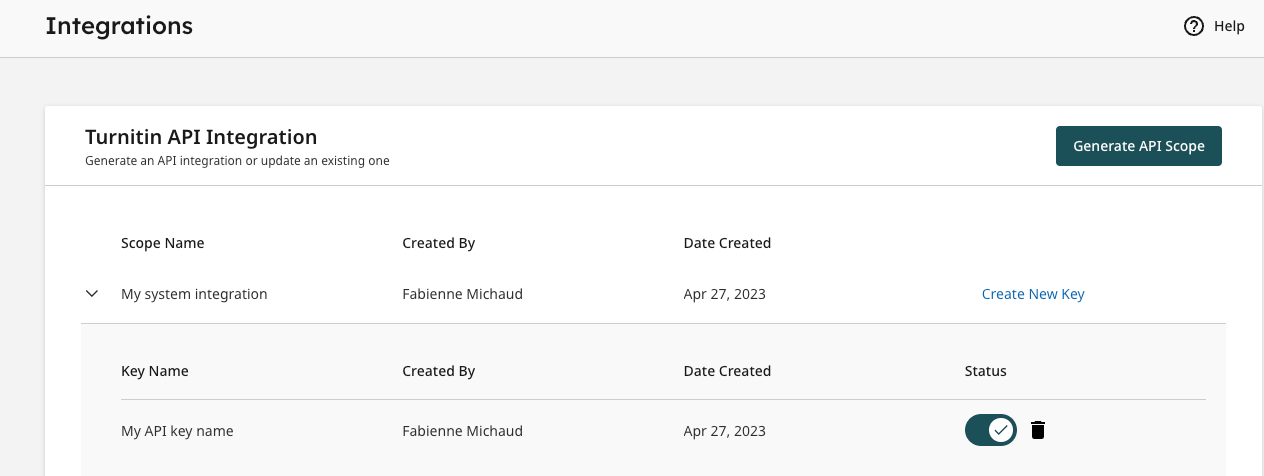
For account administrators managing peer review management system integrations and needing to generate API keys, the Integrations page will be improved to make copying API keys simpler.
Statistics
iThenticate v2 administrators will also notice some improvements to the Statistics page. Usage data should load faster and will be sortable by user group. They will also be able to generate large usage reports of over 100k submissions.
Paper lookup
The Paper lookup will allow iThenticate v2 account administrators to find submissions that have been made from any integration connected to their iThenticate v2 account. They can be found by searching the paper ID (or oid number) of the submission.
Please note: the ability to search for submissions by the user’s name is available for manuscripts submitted via the iThenticate v2 website only and not for papers submitted via an integration.
New password requirements
To improve the security of users’ accounts, new password requirements will be introduced, including a minimum of 8 symbols, 1 special symbol, 1 upper case letter, and 1 number.
Next in iThenticate v2
Turnitin, who produce iThenticate, are currently working on a number of new features and developments including an improved similarity report, paraphrase and AI writing detection. A detailed timeline is not yet available but we’ll be updating you on these new developments in the coming months.
✏️ Do get in touch via support@crossref.org if you have any questions about iThenticate v1 or v2 or start a discussion by commenting on this post below.
Related reading
Blog
Similarity check update: A new similarity report and AI writing detection tool soon to be available to iThenticate v2 users